













Tuesday, February 17, 2026
Europe Times
  • Home
  • News
    • All
    • Business
    • Politics
    • Science
    • World
    EU governance reforms must start in the capitals

    EU governance reforms must start in the capitals

    History holds the key to understanding the crises facing our oceans

    History holds the key to understanding the crises facing our oceans

    Violence in north-east Syria may amount to war crimes, warn MEPs | News | European Parliament

    Violence in north-east Syria may amount to war crimes, warn MEPs | News | European Parliament

    Parliament’s proposals to eradicate poverty in the EU by 2035 | News | European Parliament

    Parliament’s proposals to eradicate poverty in the EU by 2035 | News | European Parliament

    Parliament calls for continued EU action to fight cancer | News | European Parliament

    Parliament calls for continued EU action to fight cancer | News | European Parliament

    Human rights violations in Iran, Türkiye and Uganda | News | European Parliament

    Human rights violations in Iran, Türkiye and Uganda | News | European Parliament

    Trending Tags

    • Trump Inauguration
    • United Stated
    • White House
    • Market Stories
    • Election Results
  • Education
    History holds the key to understanding the crises facing our oceans

    History holds the key to understanding the crises facing our oceans

    Grey power is preventing the investment an ageing Europe needs

    Grey power is preventing the investment an ageing Europe needs

    Should you believe the AI hype? Probably not

    Should you believe the AI hype? Probably not

    How communication shapes support for EU rule-of-law sanctions

    How communication shapes support for EU rule-of-law sanctions

    Why being “European enough” matters for cooperation – EUROPP

    Why being “European enough” matters for cooperation – EUROPP

    How conspiracy theories entered the mainstream in Spain

    How conspiracy theories entered the mainstream in Spain

  • Tech
    • All
    • Apps
    • Gadget
    • Mobile
    • Startup
    The STEM gender gap – pipeline vs choice

    The STEM gender gap – pipeline vs choice

    Can Europe achieve digital sovereignty? – EUROPP

    Can Europe achieve digital sovereignty? – EUROPP

    The Dutch parliamentary election – not quite a “return to the centre”

    The Dutch parliamentary election – not quite a “return to the centre”

    Attention is all you need – why Europe should decouple from US technology

    Attention is all you need – why Europe should decouple from US technology

    Should you let AI train your dog? The lawless world of AI and animals

    Should you let AI train your dog? The lawless world of AI and animals

    The transnational flow of conspiracy theories reflects our fractured world

    The transnational flow of conspiracy theories reflects our fractured world

    Trending Tags

    • Nintendo Switch
    • CES 2017
    • Playstation 4 Pro
    • Mark Zuckerberg
  • Entertainment
    • All
    • Gaming
    • Movie
    • Music
    • Sports
    ‘That’s life and football’: Jarman Impey on Day injury, Merrett trade saga, career-best 2025

    ‘That’s life and football’: Jarman Impey on Day injury, Merrett trade saga, career-best 2025

    Ruthless roster calls sent a clear message… now Ryles’ Eels revolution faces its biggest test

    Ruthless roster calls sent a clear message… now Ryles’ Eels revolution faces its biggest test

    GOAT coach says this team is ‘right there’ among his best; ‘no-brainer’ MVP call — NBL Daily

    GOAT coach says this team is ‘right there’ among his best; ‘no-brainer’ MVP call — NBL Daily

    ‘WATCH: ‘Unbelievable’ scenes as Japanese skier wins Olympic silver… while racing backwards

    ‘WATCH: ‘Unbelievable’ scenes as Japanese skier wins Olympic silver… while racing backwards

    ‘Conversations have started’: JackJumpers weapon’s admission on future as free agency looms

    ‘Conversations have started’: JackJumpers weapon’s admission on future as free agency looms

    ‘Deep concern’: Cricket greats band together in appeal for imprisoned Pakistan president

    ‘Deep concern’: Cricket greats band together in appeal for imprisoned Pakistan president

  • Lifestyle
    • All
    • Fashion
    • Food
    • Health
    • Travel
    EU governance reforms must start in the capitals

    EU governance reforms must start in the capitals

    History holds the key to understanding the crises facing our oceans

    History holds the key to understanding the crises facing our oceans

    The federal emergency – how the EU builds order from crisis

    The federal emergency – how the EU builds order from crisis

    How a solar energy backlash engulfed Danish politics

    How a solar energy backlash engulfed Danish politics

    How communication shapes support for EU rule-of-law sanctions

    How communication shapes support for EU rule-of-law sanctions

    Social media age bans will fail because they are not radical enough – LSE European Politics

    Social media age bans will fail because they are not radical enough – LSE European Politics

    Trending Tags

    • Golden Globes
    • Game of Thrones
    • MotoGP 2017
    • eSports
    • Fashion Week
  • Review
    Movie Review: ‘Crime 101’

    Movie Review: ‘Crime 101’

    ‘GOAT’ Press Conference With Stephen Curry and More

    ‘GOAT’ Press Conference With Stephen Curry and More

    Movie Review: ‘GOAT’

    Movie Review: ‘GOAT’

    Movie Review: ‘Wuthering Heights’

    Movie Review: ‘Wuthering Heights’

    Movie Review: ‘The Wrecking Crew’

    Movie Review: ‘The Wrecking Crew’

    Shelter’ Interview: Director Ric Roman Waugh

    Shelter’ Interview: Director Ric Roman Waugh

No Result
View All Result
  • Home
  • News
    • All
    • Business
    • Politics
    • Science
    • World
    EU governance reforms must start in the capitals

    EU governance reforms must start in the capitals

    History holds the key to understanding the crises facing our oceans

    History holds the key to understanding the crises facing our oceans

    Violence in north-east Syria may amount to war crimes, warn MEPs | News | European Parliament

    Violence in north-east Syria may amount to war crimes, warn MEPs | News | European Parliament

    Parliament’s proposals to eradicate poverty in the EU by 2035 | News | European Parliament

    Parliament’s proposals to eradicate poverty in the EU by 2035 | News | European Parliament

    Parliament calls for continued EU action to fight cancer | News | European Parliament

    Parliament calls for continued EU action to fight cancer | News | European Parliament

    Human rights violations in Iran, Türkiye and Uganda | News | European Parliament

    Human rights violations in Iran, Türkiye and Uganda | News | European Parliament

    Trending Tags

    • Trump Inauguration
    • United Stated
    • White House
    • Market Stories
    • Election Results
  • Education
    History holds the key to understanding the crises facing our oceans

    History holds the key to understanding the crises facing our oceans

    Grey power is preventing the investment an ageing Europe needs

    Grey power is preventing the investment an ageing Europe needs

    Should you believe the AI hype? Probably not

    Should you believe the AI hype? Probably not

    How communication shapes support for EU rule-of-law sanctions

    How communication shapes support for EU rule-of-law sanctions

    Why being “European enough” matters for cooperation – EUROPP

    Why being “European enough” matters for cooperation – EUROPP

    How conspiracy theories entered the mainstream in Spain

    How conspiracy theories entered the mainstream in Spain

  • Tech
    • All
    • Apps
    • Gadget
    • Mobile
    • Startup
    The STEM gender gap – pipeline vs choice

    The STEM gender gap – pipeline vs choice

    Can Europe achieve digital sovereignty? – EUROPP

    Can Europe achieve digital sovereignty? – EUROPP

    The Dutch parliamentary election – not quite a “return to the centre”

    The Dutch parliamentary election – not quite a “return to the centre”

    Attention is all you need – why Europe should decouple from US technology

    Attention is all you need – why Europe should decouple from US technology

    Should you let AI train your dog? The lawless world of AI and animals

    Should you let AI train your dog? The lawless world of AI and animals

    The transnational flow of conspiracy theories reflects our fractured world

    The transnational flow of conspiracy theories reflects our fractured world

    Trending Tags

    • Nintendo Switch
    • CES 2017
    • Playstation 4 Pro
    • Mark Zuckerberg
  • Entertainment
    • All
    • Gaming
    • Movie
    • Music
    • Sports
    ‘That’s life and football’: Jarman Impey on Day injury, Merrett trade saga, career-best 2025

    ‘That’s life and football’: Jarman Impey on Day injury, Merrett trade saga, career-best 2025

    Ruthless roster calls sent a clear message… now Ryles’ Eels revolution faces its biggest test

    Ruthless roster calls sent a clear message… now Ryles’ Eels revolution faces its biggest test

    GOAT coach says this team is ‘right there’ among his best; ‘no-brainer’ MVP call — NBL Daily

    GOAT coach says this team is ‘right there’ among his best; ‘no-brainer’ MVP call — NBL Daily

    ‘WATCH: ‘Unbelievable’ scenes as Japanese skier wins Olympic silver… while racing backwards

    ‘WATCH: ‘Unbelievable’ scenes as Japanese skier wins Olympic silver… while racing backwards

    ‘Conversations have started’: JackJumpers weapon’s admission on future as free agency looms

    ‘Conversations have started’: JackJumpers weapon’s admission on future as free agency looms

    ‘Deep concern’: Cricket greats band together in appeal for imprisoned Pakistan president

    ‘Deep concern’: Cricket greats band together in appeal for imprisoned Pakistan president

  • Lifestyle
    • All
    • Fashion
    • Food
    • Health
    • Travel
    EU governance reforms must start in the capitals

    EU governance reforms must start in the capitals

    History holds the key to understanding the crises facing our oceans

    History holds the key to understanding the crises facing our oceans

    The federal emergency – how the EU builds order from crisis

    The federal emergency – how the EU builds order from crisis

    How a solar energy backlash engulfed Danish politics

    How a solar energy backlash engulfed Danish politics

    How communication shapes support for EU rule-of-law sanctions

    How communication shapes support for EU rule-of-law sanctions

    Social media age bans will fail because they are not radical enough – LSE European Politics

    Social media age bans will fail because they are not radical enough – LSE European Politics

    Trending Tags

    • Golden Globes
    • Game of Thrones
    • MotoGP 2017
    • eSports
    • Fashion Week
  • Review
    Movie Review: ‘Crime 101’

    Movie Review: ‘Crime 101’

    ‘GOAT’ Press Conference With Stephen Curry and More

    ‘GOAT’ Press Conference With Stephen Curry and More

    Movie Review: ‘GOAT’

    Movie Review: ‘GOAT’

    Movie Review: ‘Wuthering Heights’

    Movie Review: ‘Wuthering Heights’

    Movie Review: ‘The Wrecking Crew’

    Movie Review: ‘The Wrecking Crew’

    Shelter’ Interview: Director Ric Roman Waugh

    Shelter’ Interview: Director Ric Roman Waugh

No Result
View All Result
Europe Times
  • Home
  • News
  • Education
  • Tech
  • Entertainment
  • Lifestyle
  • Review
Home News Business

EU governance reforms must start in the capitals

in Business, Health, News, Politics, Science, Sports, World
Reading Time: 9 mins read
A A
0
EU governance reforms must start in the capitals
102
SHARES
1.3k
VIEWS
Share on FacebookShare on Twitter


The EU must step up to meet the challenges confronting Europe. As Sara Hagemann explains, this requires political will and institutional reform. Yet, reforms to the EU’s institutions must be connected to and accompanied by changes to the way national parliaments engage with EU affairs.


The European Union faces a decisive moment. From defence and competitiveness to climate adaptation and migration, the current political agenda demands swift and effective decision-making.

As a result, the call for institutional reform in the EU is growing: extend qualified majority voting in the Council, make the European Parliament more efficient, widen the mandate for the Commission. And there are calls for “coalitions of the willing” to lead the way. These arguments are not wrong. In a volatile world where geopolitics are back to naked power struggles, Brussels institutions need to be able to act.

But this debate is dangerously incomplete. While everyone focuses on reforming EU institutions to overcome short term veto threats by individual governments, a critical pillar of European democracy is being ignored.

National parliaments across Europe are not just weak in their engagement with EU affairs; they are often seen by their own governments as obstacles to room for manoeuvre in Brussels. This is not just a democratic problem. It is at the root of populism, protectionism and the breakdown of trust between citizens and European governance.

Why both Brussels and national capitals need reform

Let’s be clear: A move to more qualified majority voting (QMV) in the Council is well-founded. The requirement for unanimity on key policy areas has become a recipe for paralysis, and we know from previous rounds of institutional reform that QMV has a tendency to sharpen the minds for consensus and constructive decision-making.

Also mounting criticism of the European Parliament’s legislative work should be taken seriously, and its role as both legislator and forum for deliberation must be improved. Such reforms are necessary if the EU is to respond effectively to the World we live in in 2026.

But here’s what the reform debate misses: efficient EU institutions without engaged national parliaments create a dangerous democratic vacuum. When governments negotiate in Brussels without meaningful engagement and scrutiny at home, several damaging dynamics emerge.

First, national parliaments and politicians can blame “Brussels” for unpopular decisions while claiming credit for popular ones – a practice that fuels anti-EU sentiment. Second, opposition parties are shut out of European policy debates, leaving them without responsibility for the policies on the table and increasing the incentive to cater to populist positions. Third, citizens see European decisions as imposed rather than democratically deliberated.

My research over two decades tracking Council voting behaviour demonstrates this empirically. Governments whose national parliaments have strong scrutiny powers are significantly more likely to engage their parliaments both formally and informally. They are also more likely to take clear positions in EU negotiations, vote against proposals when necessary and submit formal policy statements to qualify their policy positions.

They may at times obstruct, of course, but on the whole, they simply engage more transparently and constructively because they know they’ll face questions at home. Conversely, governments with weak parliamentary oversight are more likely to simply go with the majority position in the Council and can then avoid accountability at home.

This is how the EU becomes too far removed from national political arenas and citizens, and how the EU can become a scapegoat rather than a site of democratic politics.

The problems at home

Across most EU member states, national parliamentary engagement with European affairs remains woefully inadequate. In many countries, EU policy is still relegated to specialised European Affairs Committees that meet irregularly, are under-resourced and operate largely outside mainstream political debate.

Sectoral committees – on economic policy, defence, environment – rarely systematically engage with EU legislative proposals in their areas, even though these proposals often have more impact than domestic legislation.

Consider what this means in practice. A national parliament might spend days debating a domestic transport bill affecting one member state, while spending virtually no time on EU transport legislation that will apply across 27 countries.

The economic implications alone are staggering, but the democratic deficit is worse. When parliaments don’t engage, citizens don’t see democratic contestation over European issues, and the EU remains an abstraction rather than a political reality.

Compare this to the member states that have developed more effective parliamentary engagement. For example, the Finnish Eduskunta (parliament) requires government ministers to obtain a negotiating mandate from the Grand Committee (supported by its 14 specialised committees) before Council meetings.

The result? Ministers prepare thoroughly, opposition parties can challenge positions and citizens can follow a genuine political debate about European issues. The Bundestag has also strengthened its committee system to systematically track EU proposals. These are not perfect systems, but they demonstrate that meaningful parliamentary engagement is possible and that it can strengthen rather than weaken the EU.

Even more telling is the experience outside the EU. Norway, as an EEA member, must apply EU single market regulation but has no vote in shaping it. Yet, the Norwegian Storting has developed robust scrutiny mechanisms precisely because it recognises the importance of following EU developments closely. If a country with no formal decision-making power can resource parliamentary engagement effectively, surely EU member states can also adopt a consistent and systematic model for parliaments engage and follow EU affairs.

A reform agenda

If we’re serious about European democracy, we need concrete reforms at both the EU and national level. Note that the national reforms are not about finding ways for parliaments to become another veto player that may block EU legislation. The reforms are necessary and can lead parliaments to engaging with EU proposals constructively and ensuring democratic accountability.

First, mainstream EU affairs across all sectoral committees. Every parliamentary committee – economic affairs, defence, environment, justice – should have a standing agenda item on relevant EU legislative proposals and Council negotiations. This requires allocating dedicated resources to monitor EU developments and brief parliamentarians. The current practice of ghettoising EU affairs in a single specialised committee (if even that) must end.

Second, establish permanent rapporteur systems. National parliaments should appoint rapporteurs for major EU legislative files, mirroring the European Parliament’s approach. These rapporteurs would track proposals from initial Commission drafts through Council negotiations, engage with their government’s position and potentially coordinate with rapporteurs from other national parliaments and the European Parliament. This creates accountability and builds expertise to everyone’s benefit.

Third, require ex-ante scrutiny with teeth. Governments should be required to seek parliamentary approval for negotiating positions before major Council meetings, not merely inform parliaments afterward (which is not even the case in some parliaments). Again, this doesn’t mean creating vetoes – it means ensuring ministers must build and defend democratic support for their EU positions. The Finnish model (and to some degree the Danish model) shows this strengthens rather than weakens government effectiveness in Brussels.

Fourth, resource parliamentary scrutiny properly. Most national parliaments have a fraction of the analytical capacity available to their national governments or EU institutions. They need dedicated EU affairs expertise, adequate staffing, access to information and sufficient time in parliamentary calendars to scrutinise EU proposals meaningfully. This is not optional infrastructure – it is a basic democratic necessity at a time of rapid political change.

Fifth, institutionalise cross-national parliamentary cooperation. COSAC exists but remains largely ceremonial. National parliaments need robust mechanisms to coordinate scrutiny, share analytical resources and jointly engage with EU institutions. These networks need to move from occasional conferences to permanent working relationships.

Why governments hesitate – and why they’re wrong

National governments have consistently hesitated when it comes to oversight of their EU activities. The logic seems clear: more parliamentary scrutiny means less room for manoeuvre in Brussels negotiations, and there is simply no time nor constructive input to get from such meetings. Ministers want flexibility to make deals without being tied to rigid positions from home.

But this logic is short-sighted. Research shows that governments facing strong domestic scrutiny are actually quite effective in EU negotiations because they arrive with clear, well-prepared and democratically backed positions. They can credibly say “my parliament won’t accept this” when needed, and they can defend achieved outcomes at home.

Moreover, when parliaments are engaged, governments face less post-hoc blame for EU decisions. The current approach – where governments treat parliamentary engagement as a constraint rather than a resource – fuels the very populism and EU-scepticism that makes European cooperation more difficult.

The EU institutions are often also complicit in this sidelining of national parliaments. The Commission and European Parliament do not adequately include national parliaments as democratic partners or as policy actors with expertise and a connection to local contexts.

This is a profound mistake. National parliaments are where most European citizens engage with democratic politics. They are the institutions people understand and can hold accountable through elections, and where EU politics can be “translated” into national and local contexts.

National parliaments as part of the solution, not the problem

The current debate treats national parliaments as part of the EU’s democratic problem: too slow, too focused on national interests, potential blockers of necessary European action. This fundamentally misunderstands what democratic accountability requires and what the evidence actually shows.

Strong national parliamentary engagement doesn’t need to slow down EU decision-making. On the contrary, it can make it more sustainable. When parliaments are involved from the start, governments arrive at negotiations with broader domestic support.

When opposition parties can scrutinise and debate EU proposals, European issues become part of normal democratic contestation rather than fodder for populist mobilisation. When citizens see their parliaments engaging meaningfully with European legislation, the EU becomes less alien and more accountable. And when opposition parties turn into governing parties, they already have expertise and know the EU policies on the table, as they have been involved and followed their governments’ actions in Brussels.

The rise of populism and protectionism across Europe is not happening despite weak parliamentary engagement, it is happening partly because of it. Research shows that when mainstream parties in parliament don’t debate or elaborate on European issues, populist parties step in to fill the vacuum.

When governments treat EU negotiations as a technical exercise rather than a political one requiring democratic legitimation, citizens feel shut out. When the only place ordinary Europeans see substantive debate about EU policy is in Brussels rather than their own parliaments, democratic alienation is inevitable.

A dual reform agenda

Hence, the path forward requires simultaneously strengthening both levels of European governance. Yes, extend qualified majority voting in the Council to enable faster decision-making on foreign policy, defence and fiscal matters. Yes, make the European Parliament more efficient in its legislative procedures.

But equally important: reform national parliamentary systems to engage systematically with EU affairs, resource them properly and create permanent mechanisms for cross-parliamentary cooperation.

This isn’t about choosing between EU institutions and national parliaments – it’s about recognising that both are essential for legitimate European governance, and that they are, of course, closely interconnected. The EU needs efficient supranational institutions that can act decisively on common challenges. It also needs vibrant national democratic spaces where European issues are contested, debated and legitimated through institutions citizens actually trust and understand.

In a volatile world where European competitiveness, security and cohesion are under pressure, the EU needs both effective decision-making capacity and deep democratic legitimacy – in fact, this may be one of our competitive advantages going forward.

Yet, we can’t achieve one without the other. Reforming EU institutions without strengthening national parliaments will produce decisions that lack democratic support and fuel further populist backlash. Conversely, strong national parliamentary engagement without efficient EU institutions will fail to address the challenges we face.

The good news is that these reforms are complementary rather than contradictory. They also do not need constitutional changes in most national systems, nor necessarily treaty change at the EU level (the EU’s “passerelle clause” is an option).

But most important is the point that the EU’s democratic future doesn’t lie only in Brussels. It lies in creating a system where both European and national institutions play their essential roles: where Brussels can act efficiently on common challenges, and where national parliaments ensure this action is democratically grounded, politically contested and accountable to the citizens who ultimately must support it. That dual reform agenda, not reform of EU institutions alone, is what the volatile politics ahead actually demand.


Note: This article gives the views of the author, not the position of LSE European Politics or the London School of Economics.

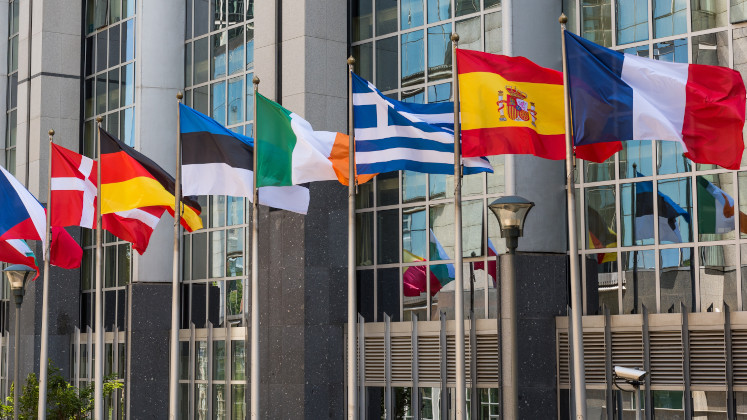
Image credit: Respiro provided by Shutterstock.


Source link

Previous Post

Civil Rights Leader Reverend Jesse Jackson Dead at 84

Next Post

Cricket World Cup 2026: New Zealand beat Canada, Yuvraj Sharma hits a century, highlights, videos, news, Indian legend, T20 World Cup

Related Posts

‘That’s life and football’: Jarman Impey on Day injury, Merrett trade saga, career-best 2025
Sports

‘That’s life and football’: Jarman Impey on Day injury, Merrett trade saga, career-best 2025

17 February 2026
Ruthless roster calls sent a clear message… now Ryles’ Eels revolution faces its biggest test
Sports

Ruthless roster calls sent a clear message… now Ryles’ Eels revolution faces its biggest test

17 February 2026
GOAT coach says this team is ‘right there’ among his best; ‘no-brainer’ MVP call — NBL Daily
Sports

GOAT coach says this team is ‘right there’ among his best; ‘no-brainer’ MVP call — NBL Daily

17 February 2026
‘WATCH: ‘Unbelievable’ scenes as Japanese skier wins Olympic silver… while racing backwards
Sports

‘WATCH: ‘Unbelievable’ scenes as Japanese skier wins Olympic silver… while racing backwards

17 February 2026
‘Conversations have started’: JackJumpers weapon’s admission on future as free agency looms
Sports

‘Conversations have started’: JackJumpers weapon’s admission on future as free agency looms

17 February 2026
‘Deep concern’: Cricket greats band together in appeal for imprisoned Pakistan president
Sports

‘Deep concern’: Cricket greats band together in appeal for imprisoned Pakistan president

17 February 2026
Next Post
Cricket World Cup 2026: New Zealand beat Canada, Yuvraj Sharma hits a century, highlights, videos, news, Indian legend, T20 World Cup

Cricket World Cup 2026: New Zealand beat Canada, Yuvraj Sharma hits a century, highlights, videos, news, Indian legend, T20 World Cup

Discussion about this post

Recent News

‘That’s life and football’: Jarman Impey on Day injury, Merrett trade saga, career-best 2025

‘That’s life and football’: Jarman Impey on Day injury, Merrett trade saga, career-best 2025

17 February 2026
Ruthless roster calls sent a clear message… now Ryles’ Eels revolution faces its biggest test

Ruthless roster calls sent a clear message… now Ryles’ Eels revolution faces its biggest test

17 February 2026
GOAT coach says this team is ‘right there’ among his best; ‘no-brainer’ MVP call — NBL Daily

GOAT coach says this team is ‘right there’ among his best; ‘no-brainer’ MVP call — NBL Daily

17 February 2026
‘WATCH: ‘Unbelievable’ scenes as Japanese skier wins Olympic silver… while racing backwards

‘WATCH: ‘Unbelievable’ scenes as Japanese skier wins Olympic silver… while racing backwards

17 February 2026
‘Conversations have started’: JackJumpers weapon’s admission on future as free agency looms

‘Conversations have started’: JackJumpers weapon’s admission on future as free agency looms

17 February 2026
‘Deep concern’: Cricket greats band together in appeal for imprisoned Pakistan president

‘Deep concern’: Cricket greats band together in appeal for imprisoned Pakistan president

17 February 2026
BREAKING: Australia dumped out World Cup as 17-year nightmare becomes reality

BREAKING: Australia dumped out World Cup as 17-year nightmare becomes reality

17 February 2026
‘I’m available’: QLD’s Origin nightmare emerges as superstar makes final call

‘I’m available’: QLD’s Origin nightmare emerges as superstar makes final call

17 February 2026
Europe Times

Uniting Voices, Sharing Visions. Your trusted source for comprehensive coverage of the latest events, trends, and stories shaping our continent. Stay informed, inspired, and connected with Europe Times.

Browse by Category

  • Apps
  • Business
  • Education
  • Entertainment
  • Fashion
  • Food
  • Gadget
  • Gaming
  • Health
  • Lifestyle
  • Mobile
  • Movie
  • Music
  • News
  • Politics
  • Review
  • Science
  • Sports
  • Startup
  • Tech
  • Travel
  • World

Recent News

‘That’s life and football’: Jarman Impey on Day injury, Merrett trade saga, career-best 2025

‘That’s life and football’: Jarman Impey on Day injury, Merrett trade saga, career-best 2025

17 February 2026
Ruthless roster calls sent a clear message… now Ryles’ Eels revolution faces its biggest test

Ruthless roster calls sent a clear message… now Ryles’ Eels revolution faces its biggest test

17 February 2026

© 2024 Europe Times. All rights reserved.

No Result
View All Result
  • Home
  • News
  • Education
  • Tech
  • Entertainment
  • Lifestyle
  • Review

© 2024 Europe Times. All rights reserved.