










Loss of biodiversity
According to an analysis by the European Environment agency, 59% of forests and 6% of agricultural land were exposed to harmful levels of ozone in Europe in 2020. Economic losses due to the impact on wheat yields amounted to about €1.4 billion in 35 European countries in 2019. The largest losses were recorded in France, Germany, Poland and Turkey.
Read more about causes of biodiversity loss
Sources of pollution
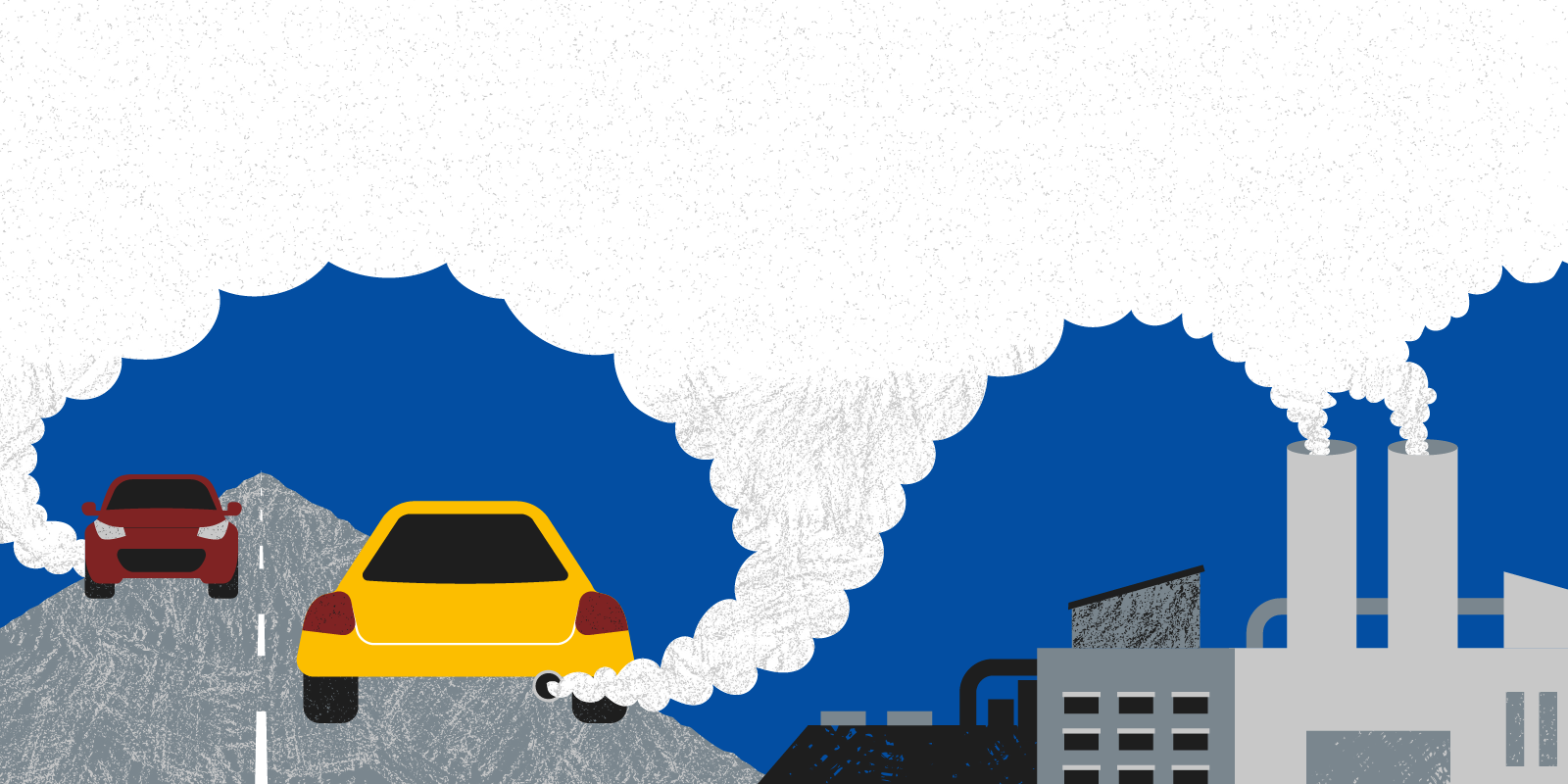
More than half of the particulate emissions come from the burning of solid fuels for heating. The residential, commercial and institutional sectors are the main source of particulate pollution in Europe.
Agriculture is also a major polluter, responsible for 94% of ammonia emissions, while road transport is responsible for 37% of nitrogen oxide emissions and agriculture for 19%.
All these emissions have been on a downward trend since 2005, despite the considerable increase in the EU’s gross domestic product.
What is the Zero Pollution Action Plan?
The EU’s Zero Pollution Plan contributes to the UN 2030 Agenda for Sustainable Development. Under the European Green Deal, the EU set the goal of reducing air, water and soil pollution by 2050 to levels that are no longer harmful to health and natural ecosystems and that are within the limits the planet can sustain. It defines a number of objectives to help achieve this goal by 2030:
- cutting premature deaths from air pollution by more than 55%
- reducing EU ecosystems where air pollution threatens biodiversity by 25%
- cutting plastic litter at sea 50% and micro plastics released into the environment by 30%
Stricter 2030 limits for several air pollutants
Parliament’s environment committee adopted its position on improving air quality in the EU on 28 June 2023. It proposes strict targets for several pollutants including particulate matter, nitrogen dioxide, sulphur dioxide and ozone to ensure that air in the EU is safe to breathe and does not harm natural ecosystems or biodiversity.
Next steps
MEPs are expected to vote on the proposal in September 2023. Once the Council has adopted its position, Parliament will start negotiations with them on the final text of the law.
MEPs propose that in addition to air quality plans, which are required when EU countries exceed the limits, all EU countries should create air quality roadmaps setting out short and long-term measures to meet the new limits.





Discussion about this post