





















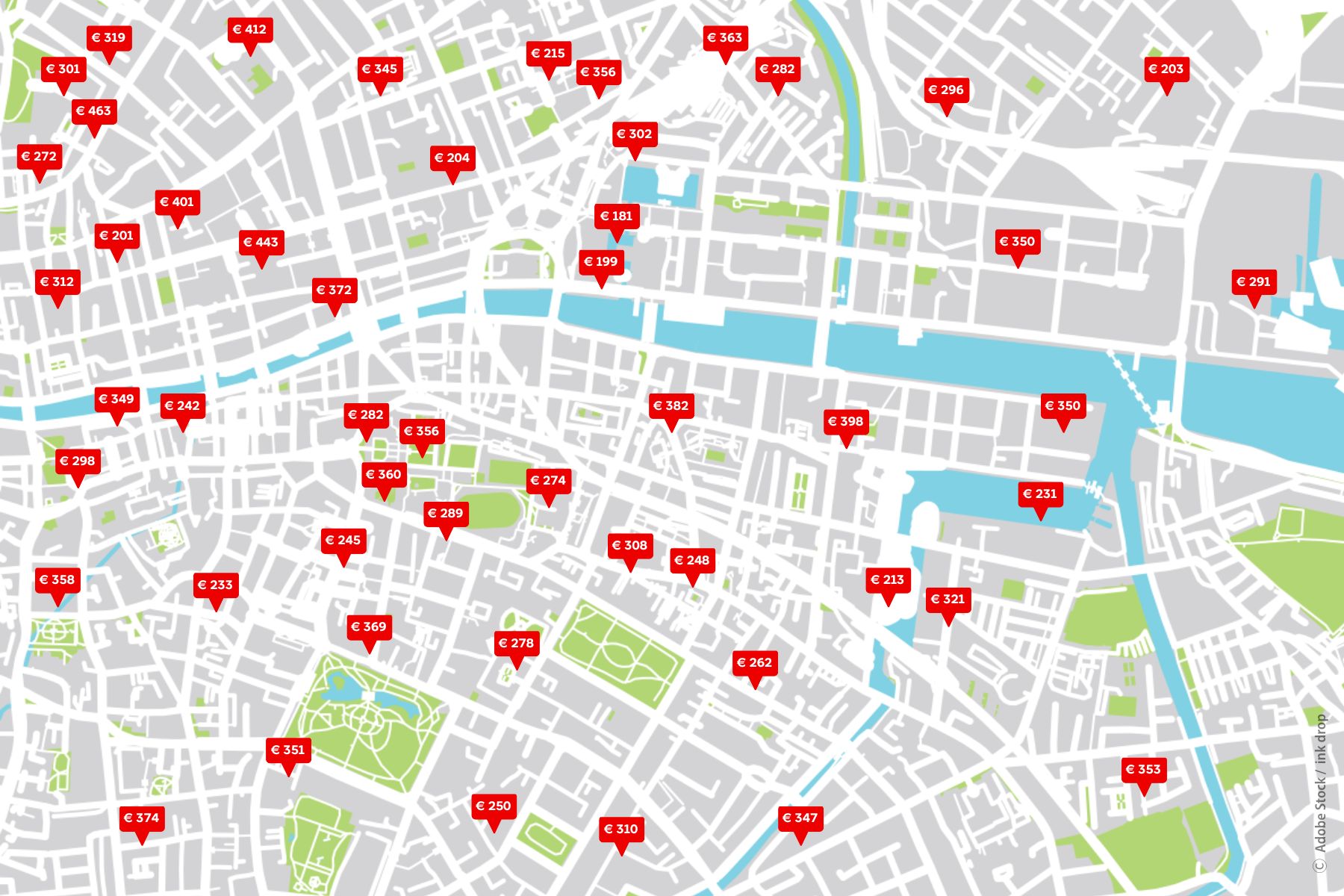
Challenges related to short-term rentals
The increase in short-term accommodation rentals has created a number of challenges:
- Need for more transparency: the lack of transparency in short-term rental operations makes it difficult for authorities to monitor and regulate these services effectively
- Regulatory challenges: public authorities face challenges in ensuring that short-term rentals comply with local regulations, taxation, and safety standards due to insufficient information
- Urban development concerns: some local authorities find it difficult to cope with the quick growth of short-term rentals which may transform residential areas and puts additional burden on public services such as waste collection
The EU response to rising short-term rentals
In November 2022 the European Commission put forward a proposal for providing more transparency in the field of short-term rentals and supporting public authorities to promote sustainable tourism.
Parliament and Council reached a deal on the proposal in November 2023. The measures include:
- Registration of hosts: the deal sets a simple registration process online for short-term rental properties in EU countries where it is required. After completing this process, hosts will receive a registration number enabling them to rent out their property. This will facilitate the identification of hosts and the verification of their details by the authorities.
- More security for users: online platforms will be required to verify the accuracy of property details and they will be equally expected to perform random checks. Authorities will be able to halt registrations, remove non-compliant listings, or impose fines on platforms if necessary.
- Data sharing: in order to receive data from platforms about host activity, EU countries will set up a single digital entry point to assist local authorities in understanding rental activities and improving tourism. However, for micro and small platforms with an average of up to 4,250 listings a simpler system for data sharing will be put in place.
Kim van Sparrentak (Greens/EFA, the Netherlands), the MEP in charge of steering the legislative file through Parliament, said: “Previously, rental platforms didn’t share data, making it hard to enforce city rules. This new law changes that, giving cities more control.”
Next steps
Before its entry into force, the provisional agreement needs to be adopted by Council and Parliament. After that EU countries will have 24 months to implement it.
Parliament’s internal market committee will vote on the provisional agreement in January 2024.







Discussion about this post